Meta Description (150–160 characters)
Petrol prices in Pakistan are rising due to global oil rates, dollar exchange pressure, taxes, IMF policies, and inflationary economic factors.
Introduction: Understanding the Rising Petrol Prices in Pakistan
Petrol prices in Pakistan have become one of the most discussed economic issues in recent years. Every few weeks, people see new fuel rate updates that directly affect daily life, transport, food costs, and overall Pakistan inflation.
If you are wondering why fuel keeps getting expensive even when local demand stays the same, the answer lies in a combination of global and domestic factors.
In this article, you will learn:
- The real petrol price hike reasons
- How global oil markets impact Pakistan
- The role of the dollar rate
- Why inflation keeps increasing fuel burden
- And what the future may look like
This is a complete breakdown written in simple, clear language.
Global Oil Prices and Their Impact on Pakistan
One of the strongest factors behind oil prices global impact is Pakistan’s dependence on imported crude oil.
H3: Why global oil prices matter
Pakistan imports a large portion of its fuel. This means:
- If crude oil prices rise globally, Pakistan pays more instantly
- Oil is traded in US dollars, not local currency
- Any international crisis increases price volatility
Key global triggers
- Wars in oil-producing regions
- OPEC production cuts
- Global economic recovery increasing demand
- Supply chain disruptions
👉 Featured snippet answer:
Petrol prices in Pakistan increase mainly because global crude oil prices rise and Pakistan imports most of its fuel in dollars.
Dollar Rate and Fuel Cost Pressure in Pakistan
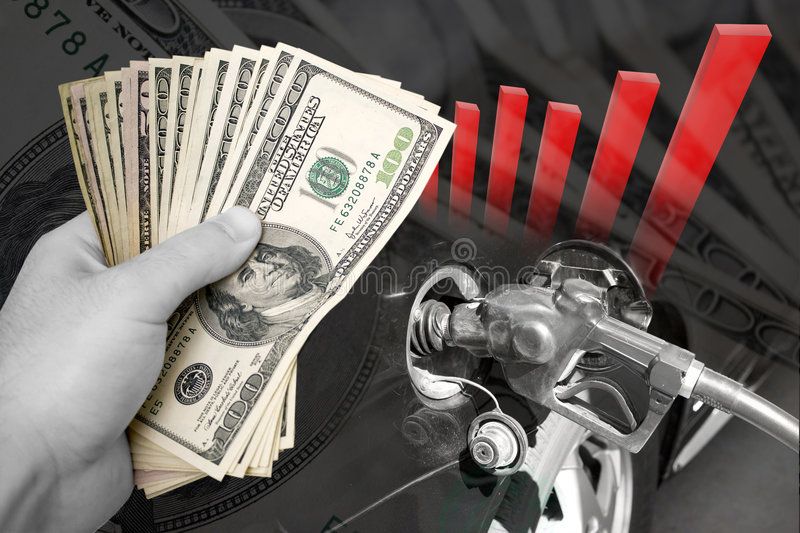
The dollar rate Pakistan fuel cost relationship is extremely important.
Currency depreciation effect
When the Pakistani rupee weakens:
- Import cost increases automatically
- Same oil becomes more expensive in rupees
- Inflation rises across all sectors
Example:
If oil price stays stable but USD increases from PKR 280 to PKR 320, petrol becomes more expensive without any global change.
👉 This is one of the most powerful hidden drivers of fuel inflation.
Government Taxes and Fuel Pricing Structure
A major part of fuel prices Pakistan is not oil itself—but taxes.
Main components in petrol price
- Petroleum Development Levy (PDL)
- Customs duty
- Transport and distribution costs
- Dealer margins
- Government taxation adjustments
Why taxes are used
Governments adjust fuel taxes to:
- Manage budget deficits
- Meet IMF requirements
- Control fiscal pressure
👉 As a result, petrol becomes not just a commodity but also a revenue source.
Inflation and Economic Pressure in Pakistan
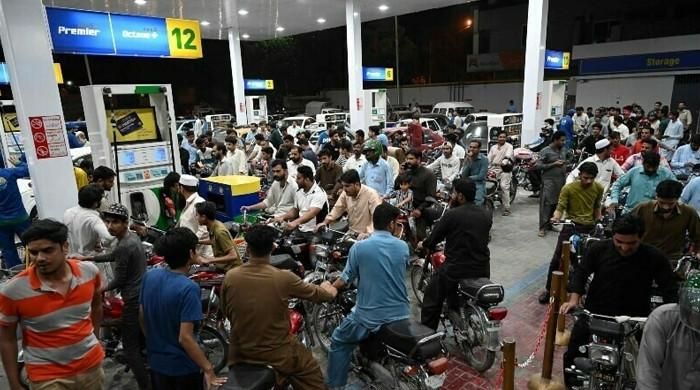
The relationship between Pakistan inflation and petrol prices is circular.
How inflation increases fuel burden
- Higher fuel cost increases transport charges
- Transport increases food prices
- Food inflation raises overall cost of living
- Demand for fuel becomes more expensive again
This creates a self-reinforcing inflation cycle.
Real-life impact
- Grocery prices increase
- Public transport fares rise
- Manufacturing costs grow
- Household budgets shrink
Import Dependency and Energy Structure Issues
Pakistan’s energy system is heavily import-based.
Structural challenges
- Limited domestic oil production
- Weak refining capacity
- Heavy reliance on imported petroleum products
- Slow development of renewable energy
👉 This makes Pakistan highly vulnerable to external shocks.
IMF Policies and Economic Adjustments
International Monetary Fund (IMF) programs also influence pricing.
Policy effects
- Reduction in fuel subsidies
- Market-based pricing system
- Increased tax collection requirements
While these policies stabilize the economy long-term, they often cause short-term price hikes.
Geopolitical and Supply Chain Risks
Global instability directly affects fuel markets.
Major risks include
- Middle East tensions
- Sanctions on oil-exporting countries
- Shipping route disruptions
- Global trade uncertainty
👉 Even speculation in oil markets can increase prices.
Impact of Rising Petrol Prices in Pakistan
Transport sector
Public transport and logistics become expensive.
Food and goods
Supply chain costs increase, leading to higher grocery prices.
Industry
Manufacturing and production costs rise, reducing competitiveness.
Household level
Middle and lower-income families face reduced purchasing power.
Possible Solutions for Long-Term Stability
Energy diversification
- Solar energy expansion
- Hydropower projects
- Wind energy investments
Local oil exploration
Increasing domestic oil production to reduce imports.
Transport reforms
- Electric vehicles
- Mass transit systems
- Fuel-efficient engines
Fiscal reforms
Reducing over-reliance on fuel taxation.
FAQ – Petrol Prices in Pakistan
1. Why are petrol prices increasing in Pakistan?
Because of global oil price changes, dollar rate pressure, taxes, and import dependency.
2. How does the dollar rate affect petrol prices?
A weaker rupee increases import costs, making petrol more expensive.
3. What is the biggest factor in fuel price hike reasons?
Global crude oil prices and currency depreciation are the biggest factors.
4. Can Pakistan reduce petrol prices permanently?
Not fully, but energy diversification and local production can reduce volatility.
5. Does inflation affect petrol prices?
Yes, inflation and fuel prices are linked in a continuous cycle.
Conclusion + Call to Action
The rise in petrol prices in Pakistan is not caused by a single issue but a combination of global oil markets, currency depreciation, taxation policies, inflation, and structural economic challenges.
While short-term price fluctuations are likely to continue, long-term stability depends on energy independence and economic reforms.