Meta Description (160 characters):
Explore Korean fashion trends 2026 with advanced K-style analysis, streetwear evolution, outfit formulas, and modern styling psychology.
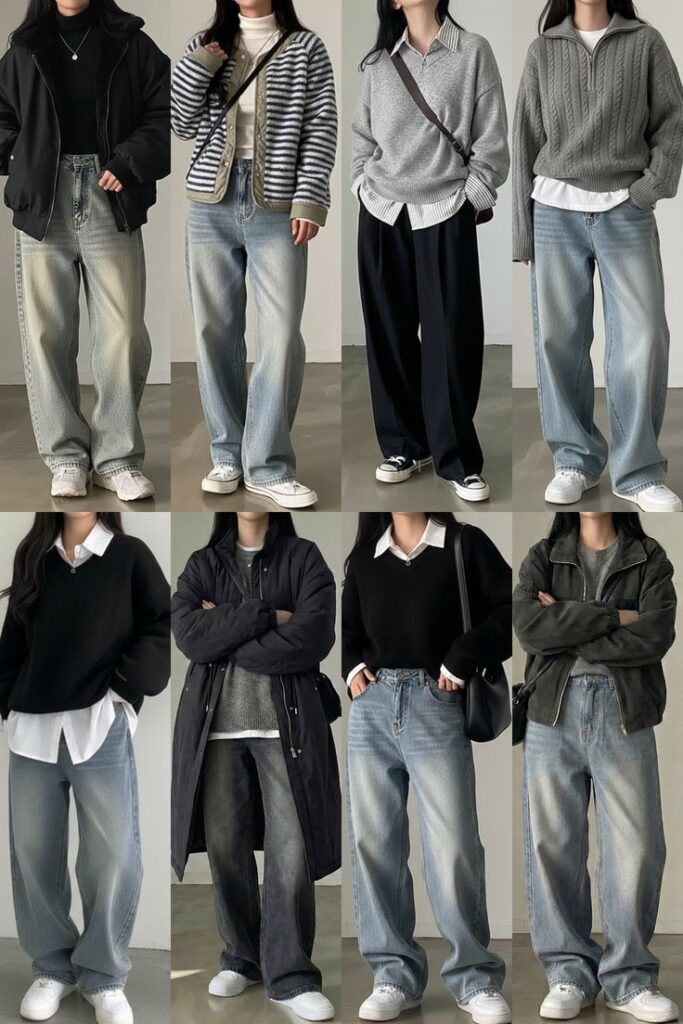
Introduction: Why Korean Fashion Became a Global Style System (Not Just a Trend)
Korean fashion is no longer just a “trend category.” In 2026, it has evolved into a global style system influenced by culture, media, streetwear engineering, and digital aesthetics.
Unlike fast-changing Western trends, K-style evolves slowly but deeply. It focuses on visual balance, emotional comfort, and outfit harmony, which is why it dominates platforms like Instagram, TikTok, and Pinterest.
Modern Korean fashion is shaped by:
- Seoul streetwear culture
- K-pop stage styling logic
- Minimalist Japanese influence
- Global Gen-Z aesthetic movement
- Digital-first fashion visibility
This article breaks down Korean fashion in a professional, analytical, and practical way, not just outfit ideas—but the science behind why it works in 2026.
1. Korean Fashion 2026: The Core Design Philosophy
Featured Insight
Korean fashion is built on “visual equilibrium”—a balance between oversized silhouettes, neutral tones, and controlled styling.
1.1 The Principle of “Controlled Simplicity”
K-style is not random minimalism. It follows structure:
- One oversized piece
- One fitted or neutral base
- One visual anchor (shoes or bag)
This creates intentional simplicity, not laziness.
1.2 Emotional Dressing Concept
Korean fashion is heavily influenced by mood psychology:
- Soft outfits = calm personality perception
- Neutral tones = trust + elegance signal
- Loose fits = comfort + approachability
This is why K-style dominates everyday wear globally.
2. Korean Fashion Trends 2026: Structural Breakdown
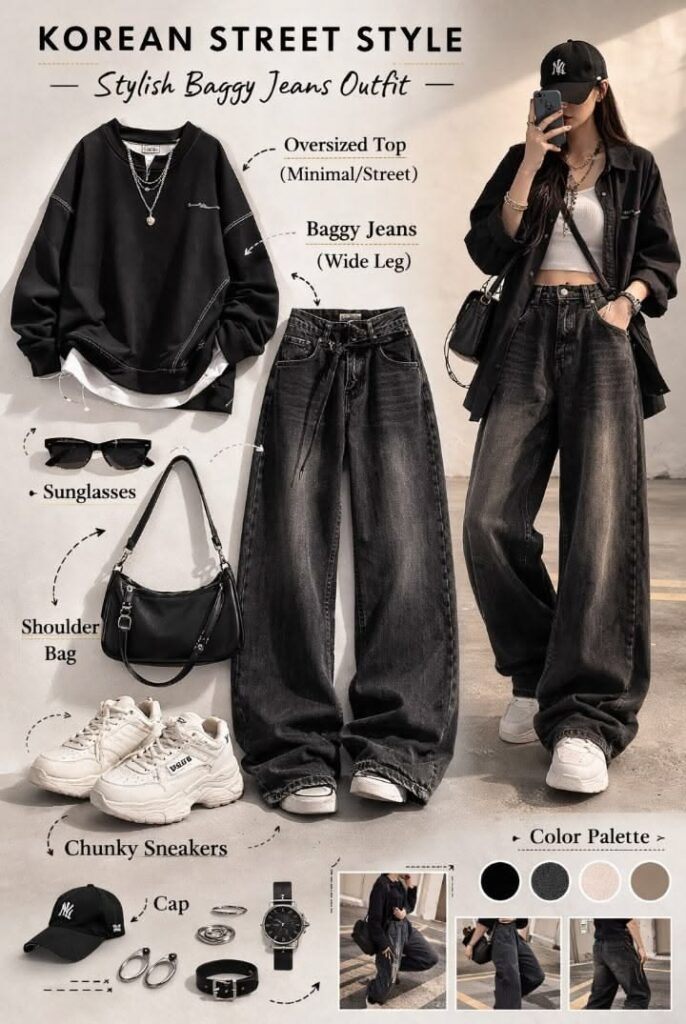
2.1 Oversized Silhouette Engineering (Not Just Loose Clothes)
Oversized fashion in Korea is not about wearing big clothes randomly.
It follows proportions:
- Wide top → straight or slim bottom
- Wide bottom → fitted or cropped top
This maintains visual balance ratio (VB-R).
Example formulas:
- Oversized shirt + slim jeans
- Baggy pants + cropped knit
2.2 Neutral Color Economy (NCE System)
Korean fashion uses a controlled color system:
Primary palette:
- Ivory
- Beige
- Stone grey
- Soft mocha
- Muted black
Accent colors:
- Dust pink
- Sky blue
- Sage green
This reduces visual noise and increases outfit clarity.
2.3 Layering Intelligence (LI-Style Method)
Layering is not random—it follows depth logic:
Level 1: Base layer (t-shirt / tank)
Level 2: Mid layer (shirt / knit / vest)
Level 3: Outer layer (coat / jacket)
Key rule: each layer must be visually lighter than the outer layer.
3. Everyday Korean Outfit Formulas (2026 Edition)
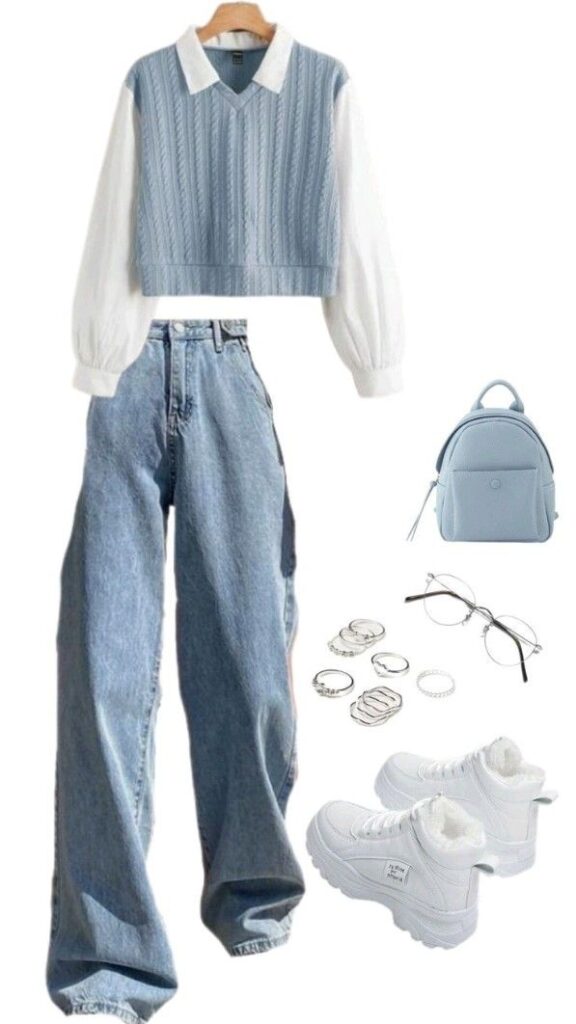
Instead of random outfit ideas, Korean fashion uses repeatable formulas.
3.1 Daily Casual Formula
Formula:
Oversized T-shirt + straight jeans + white sneakers
Why it works:
- Balanced proportions
- Neutral base
- Clean street aesthetic
3.2 Soft Feminine Formula
Pleated skirt + fitted knit top + ballet flats
This creates:
- Vertical elongation
- Soft elegance
- Youthful silhouette
3.3 Seoul Streetwear Formula
Cargo pants + cropped hoodie + oversized jacket
This style reflects:
- Urban mobility
- Functional fashion
- Gen-Z street identity
3.4 Smart Minimal Office Formula
Blazer + wide trousers + neutral blouse
Benefits:
- Professional identity
- Clean visual structure
- Modern corporate aesthetic
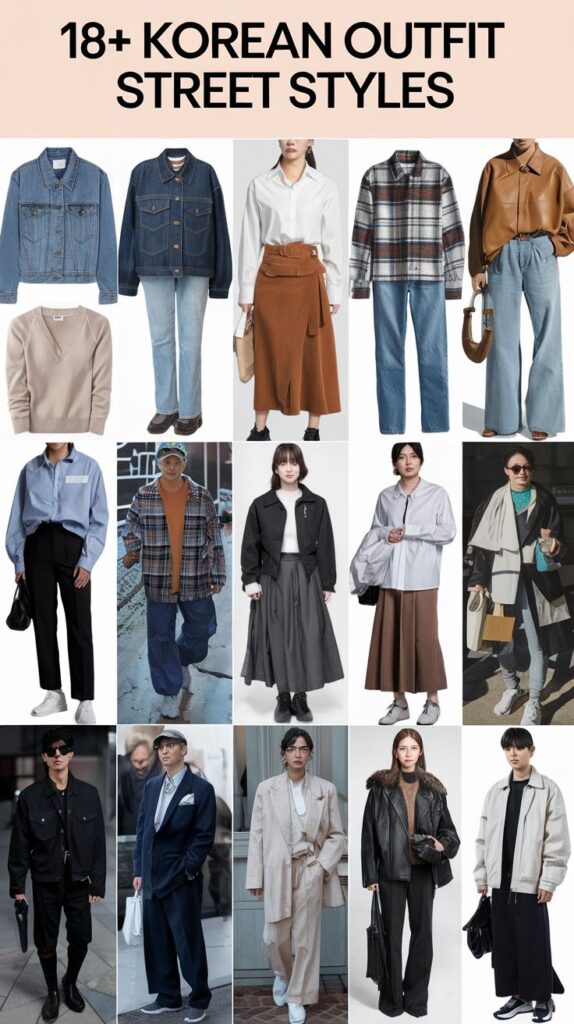
4. Korean Fashion vs Global Streetwear (Advanced Comparison)
| Element | Korean Fashion | Western Streetwear |
|---|---|---|
| Silhouette | Balanced & soft | Bold & sharp |
| Colors | Neutral-heavy | High contrast |
| Styling logic | Minimal + layered | Statement-based |
| Focus | Harmony | Attention |
| Everyday use | High | Medium |
Key Insight
Korean fashion is designed for daily usability, not just visual impact.
5. 2026 Korean Fashion Micro-Trends
5.1 Quiet Luxury K-Style
- No logos
- Premium textures
- Clean silhouettes
5.2 Soft Street Hybrid
- Hoodie + skirt combinations
- Sneakers with formal coats
- Casual layering with structure
5.3 Gender-Neutral Expansion
- Loose tailoring
- Androgynous outfits
- Shared wardrobe styling
6. Psychological Impact of Korean Fashion
Korean fashion influences perception:
6.1 First Impression Effect
People wearing K-style are often perceived as:
- Calm
- Organized
- Aesthetic-aware
6.2 Visual Cleanliness Theory
The human brain prefers low-clutter visuals. K-style reduces:
- Color overload
- Pattern chaos
- Fit imbalance
This increases visual comfort.
7. Building a Professional K-Style Wardrobe
Core Investment Pieces
- Oversized white shirt
- Beige blazer
- Wide-leg denim
- Neutral trench coat
- Basic sneakers
Smart Wardrobe Strategy
Instead of buying trends:
- Buy base items
- Rotate styling combinations
- Maintain 2–3 color palette
8. Common Styling Failures (Advanced Fixes)
Mistake 1: Oversized Without Structure
Fix: Always balance with fitted base.
Mistake 2: Color Overload
Fix: Stick to neutral foundation + one accent.
Mistake 3: Ignoring Fabric Weight
Fix: Mix light + heavy textures for depth.
9. Korean Fashion in Global Digital Culture
K-style dominates because:
- TikTok fashion trends favor minimal aesthetics
- Instagram prefers clean visual feeds
- Pinterest promotes mood-based outfits
Korean fashion fits perfectly into algorithm-driven visual platforms.
FAQ: Korean Fashion Trends 2026 (Advanced)
1. Why is Korean fashion so influential globally?
Because it combines simplicity, comfort, and visual harmony that works across cultures.
2. What makes K-style different from normal minimalism?
It uses structured layering and proportion rules, not just simple clothing.
3. Can Korean fashion be worn in conservative countries?
Yes, it adapts easily due to modest silhouettes and loose fits.
4. Is Korean fashion seasonal or long-term?
It is a long-term fashion system, not a seasonal trend.