Meta Description (155 chars):
Understand inflation world trends, global trade shifts, and dollar rate impacts, plus how USA, Israel & Iran tensions influence global markets.
URL Slug:
inflation-world-global-trade-dollar-rate-analysis-2026
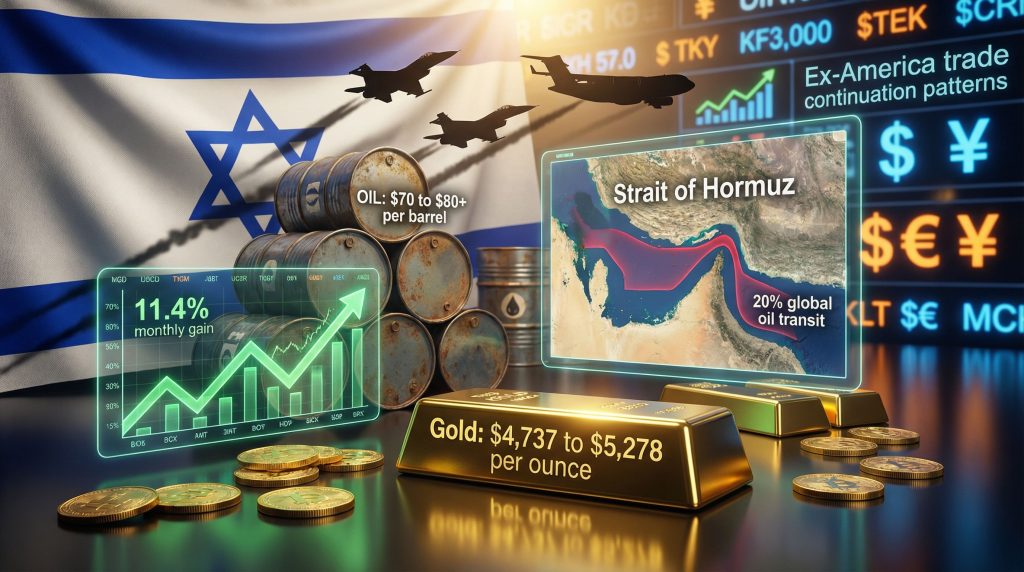
Introduction: Why Inflation, Trade, and Dollar Rate Matter More Than Ever
In today’s interconnected world, a single event in one region can reshape prices, trade flows, and currency values across the globe. From rising inflation pressures to shifting global trade routes and fluctuations in the dollar rate, economies are more tightly linked than ever before.
At the center of these changes are powerful geopolitical relationships, including tensions involving United States, Israel, and Iran. These dynamics influence oil prices, investor confidence, and ultimately the cost of goods you buy every day.
In this article, you’ll learn:
- What “inflation world” really means today
- How global trade is evolving in 2026
- Why the dollar rate keeps changing
- How geopolitical tensions impact markets
- What it means for businesses and everyday consumers
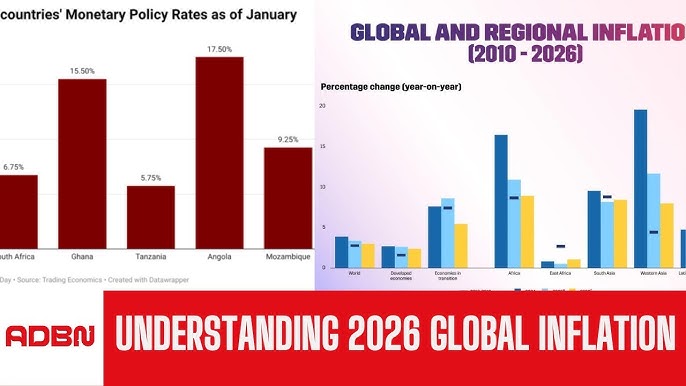
Understanding the “Inflation World” in 2026
Inflation is no longer a local issue—it is a global phenomenon. When economists talk about the “inflation world,” they mean a situation where price increases are happening across multiple countries at the same time.
What drives global inflation?
Several key forces are shaping inflation worldwide:
- Rising energy costs
- Supply chain disruptions
- Higher transportation expenses
- Currency fluctuations
- Political instability
Even when one country stabilizes prices, global forces can push inflation back up again.
Why inflation feels different today
Unlike past decades, inflation today is:
- More synchronized across countries
- Heavily influenced by global supply chains
- Linked to geopolitical risk and energy markets
For example, when oil prices rise due to tensions in the Middle East, transportation and manufacturing costs increase worldwide—not just in oil-producing regions.
Global Trade: The Shifting Power Map of 2026
Global trade is undergoing a structural transformation. Traditional supply chains are being reworked as countries aim for resilience rather than just cost efficiency.
Key trends shaping global trade
- Nearshoring and reshoring: Companies are moving production closer to home markets
- Diversified supply chains: Businesses avoid relying on a single country
- Trade blocs strengthening: Regional partnerships are becoming more important
- Technology-driven logistics: AI and automation improve efficiency
Impact on developing economies
Countries that once depended heavily on manufacturing exports are now facing competition as companies spread production across multiple regions.
At the same time, new trade opportunities are emerging in:
- Renewable energy equipment
- Digital services
- Semiconductor production
Dollar Rate and Its Global Influence
The dollar rate plays a central role in global economics because most international trade is priced in US dollars.
Why the dollar is so powerful
The United States dollar remains the world’s reserve currency, meaning:
- Countries hold it as foreign exchange reserves
- Global commodities are priced in dollars
- International loans are often dollar-denominated
How dollar rate affects inflation worldwide
When the dollar strengthens:
- Imports become cheaper for the US
- Other countries face higher import costs
- Emerging markets may struggle with debt repayments
When the dollar weakens:
- Global commodities may become more expensive
- Export-driven economies benefit
- Inflation pressure can shift between regions
Real-world example
If Pakistan imports oil priced in dollars and the dollar strengthens, fuel prices rise domestically even if global oil prices remain stable.
Geopolitical Tensions: USA, Israel, and Iran’s Impact on Markets
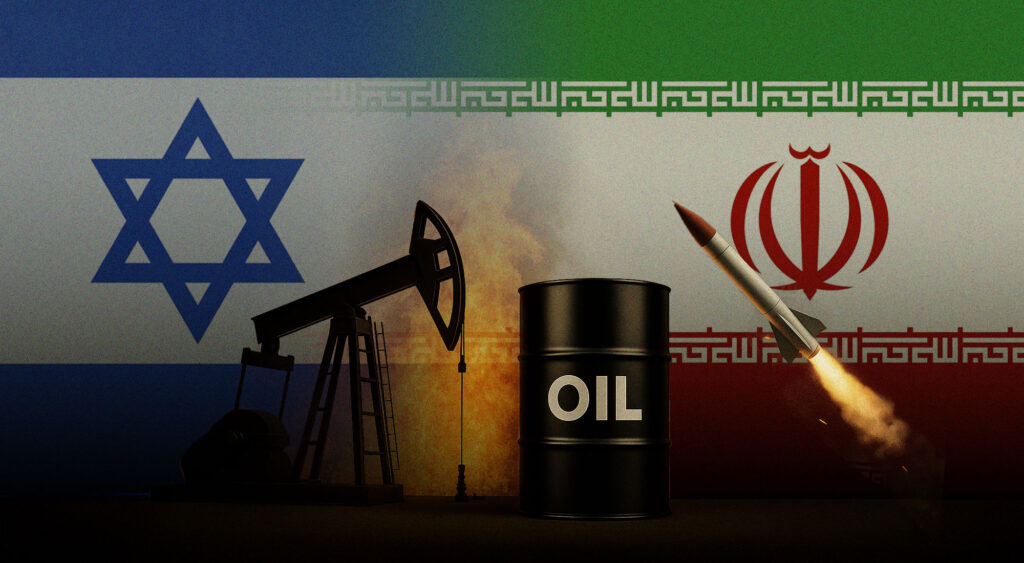
Geopolitics plays a crucial role in shaping inflation and trade. Recent tensions involving United States, Israel, and Iran have significant economic implications.
Energy markets and oil volatility
The Middle East is a critical energy hub. Any conflict or escalation can lead to:
- Oil supply uncertainty
- Price spikes in global crude markets
- Higher transportation and production costs
Investor behavior during geopolitical risk
When tensions rise:
- Investors move toward “safe-haven” assets like gold and the US dollar
- Stock markets often become volatile
- Emerging markets may see capital outflows
Global trade disruptions
Even without direct conflict, geopolitical uncertainty can:
- Delay shipping routes
- Increase insurance costs for cargo
- Force companies to reroute supply chains
How These Factors Combine: Inflation, Trade, and Currency Together
The global economy doesn’t operate in isolation. Inflation, trade, and currency values constantly interact.
The feedback loop explained
- Geopolitical tension increases oil prices
- Higher oil prices raise transport costs
- Transport costs increase global inflation
- Inflation influences central bank policies
- Interest rate changes affect currency strength
This cycle shows why even a local conflict can have global consequences.
Impact on Businesses and Everyday Consumers
For businesses
Companies must now:
- Hedge against currency risks
- Diversify supply chains
- Manage rising input costs
- Adjust pricing strategies frequently
For consumers
People feel the impact through:
- Higher food and fuel prices
- Expensive imported goods
- Fluctuating purchasing power
Even stable salaries may lose value when inflation rises faster than income growth.
Future Outlook: What to Expect Beyond 2026
The global economy is expected to remain dynamic and unpredictable. Key expectations include:
- Continued inflation fluctuations rather than full stability
- Stronger regional trade networks instead of fully globalized supply chains
- Ongoing volatility in currency markets
- Persistent geopolitical influence on energy and trade
Countries that adapt quickly to these changes will likely maintain stronger economic resilience.
FAQs
1. What is meant by “inflation world”?
It refers to a global environment where inflation is rising across multiple countries due to shared factors like energy costs, supply chains, and currency shifts.
2. How does global trade affect inflation?
Global trade affects inflation by influencing product availability, shipping costs, and supply chain efficiency. Disruptions usually increase prices worldwide.
3. Why is the dollar rate so important globally?
Because the US dollar is used in most international trade and reserves, its value impacts import costs, debt repayments, and global pricing.
4. How do geopolitical tensions affect the economy?
Conflicts or tensions can disrupt oil supply, increase market uncertainty, and lead to higher inflation and currency volatility.
5. Will inflation decrease in the future?
Inflation may stabilize in some regions, but global risks and economic shifts mean fluctuations are likely to continue.
Conclusion: Navigating a Complex Global Economy
The modern “inflation world” is shaped by interconnected forces—global trade shifts, dollar rate fluctuations, and geopolitical tensions involving major powers like United States, Israel, and Iran.
Understanding these dynamics helps individuals and businesses make smarter financial decisions, from managing expenses to planning investments.
Next Step: