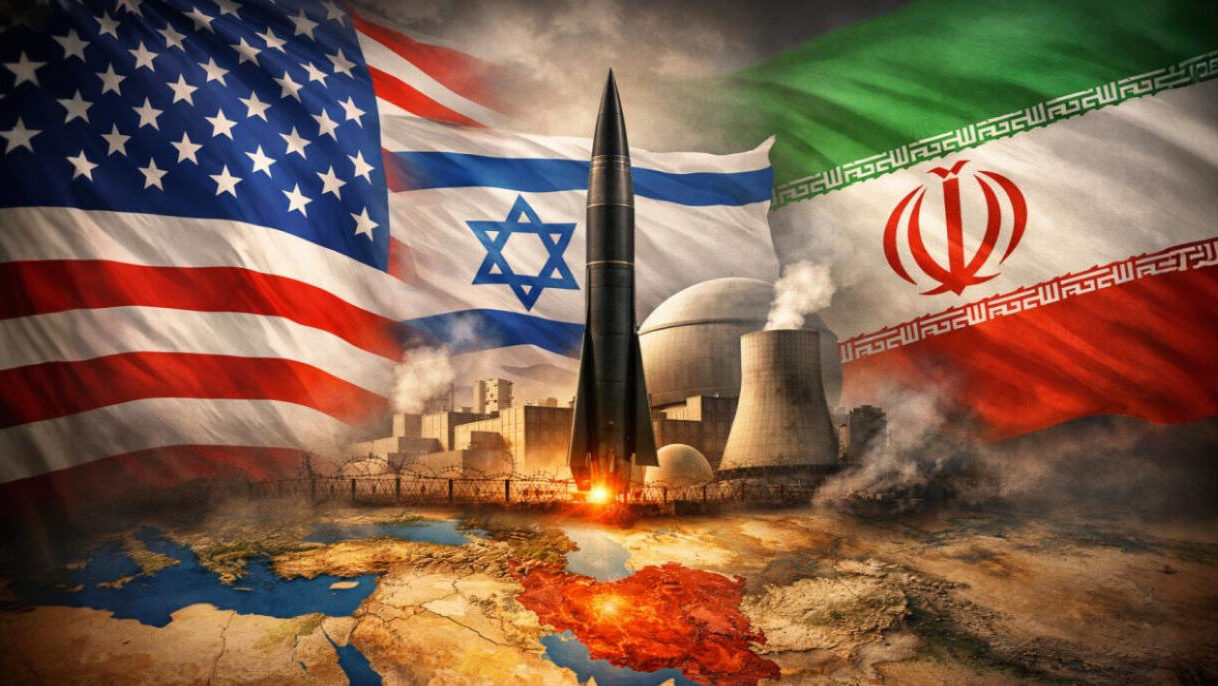
The possibility of an America, Israel & Iran War is no longer just a geopolitical discussion—it is a scenario that could reshape the global economy in ways most people are not fully prepared for. When tensions rise between United States, Israel, and Iran, financial markets react instantly, oil prices fluctuate, and global uncertainty spreads. This is because the Middle East is not just a conflict zone; it is the heart of global energy supply and a critical hub for international trade.
What makes this situation particularly serious is the increasing discussion around America’s threats to destroy Iran energy structure, which could directly target oil facilities, refineries, and export systems. Such actions would not remain isolated—they would ripple through global markets, affecting everything from fuel prices to food costs. In this article, you will gain a clear understanding of how this conflict could evolve, why it matters far beyond the region, and how it could potentially cripple the world economy through interconnected financial and energy systems.
The Geopolitical Background of the America, Israel & Iran War
To fully understand the risks of the America, Israel & Iran War, it is essential to examine the geopolitical tensions that have been building over decades. The relationship between Iran and Israel has long been strained due to ideological differences, regional power struggles, and security concerns. Meanwhile, the United States has consistently supported Israel while opposing Iran’s influence in the Middle East, particularly regarding its nuclear ambitions and regional alliances.
This triangular tension creates a highly volatile environment where even small incidents can escalate quickly. What makes this situation especially dangerous is that it involves not just regional players but a global superpower. The geopolitical conflict in the Middle East is deeply tied to global economics, energy security, and military alliances. As a result, any escalation in this region does not remain local—it becomes a matter of international concern. Understanding this background is crucial because it explains why the America, Israel & Iran War is considered one of the most significant threats to global stability today.
America’s Threats to Destroy Iran Energy Structure and Global Consequences
One of the most critical aspects of this conflict is the growing discussion around America’s threats to destroy Iran energy structure, which refers to targeting Iran’s oil production and export capabilities. Iran’s energy infrastructure includes vast oil fields, refineries, pipelines, and export terminals that are essential not only for its economy but also for global oil supply. If these facilities were damaged or destroyed, the immediate effect would be a sharp reduction in global oil availability.
The consequences of such action would be far-reaching. Oil prices would likely surge within hours, creating a global oil price shock that affects transportation, manufacturing, and daily consumer goods. Countries that rely heavily on imported energy would face economic pressure, while global markets could experience panic-driven volatility. Additionally, Iran could respond by disrupting key shipping routes like the Strait of Hormuz, further intensifying the crisis. This is why the impact of destroying Iran’s energy infrastructure is considered one of the most serious triggers for a worldwide economic downturn.
The Strategic Importance of the Strait of Hormuz
The Strait of Hormuz plays a central role in understanding why this conflict could escalate into a global crisis. This narrow waterway connects the Persian Gulf to international markets and serves as the primary route for a significant portion of the world’s oil exports. The importance of Strait of Hormuz lies in its function as a critical energy chokepoint, where even minor disruptions can have major global consequences.
In a conflict scenario, Iran has the strategic advantage of geographic proximity, allowing it to influence or potentially disrupt shipping traffic. Even the threat of closure can lead to rising insurance costs for shipping companies, delays in trade, and increased volatility in oil markets. The global trade disruption risk associated with this chokepoint is one of the main reasons why international powers closely monitor the region. If the strait were blocked, even temporarily, it could lead to shortages, price spikes, and widespread economic instability, reinforcing its status as one of the most important locations in global trade.
How the War Could Cripple the World Economy
The idea that the America, Israel & Iran War could cripple the world economy is based on a combination of interconnected risks. The first and most immediate effect would be a sharp rise in oil prices, which would increase transportation and production costs across industries. This would lead to a chain reaction where businesses raise prices, resulting in widespread inflation. The economic impact of war on global markets is often underestimated, but history shows that energy disruptions can trigger long-term financial instability.
Beyond energy, global supply chains would also suffer. Shipping routes could become unsafe or expensive, leading to delays and shortages of essential goods. Financial markets would react negatively, with investors moving away from riskier assets, causing stock market declines. Countries with weaker economies would be particularly vulnerable, as they lack the financial resilience to absorb such shocks. The combination of rising costs, reduced trade, and financial uncertainty creates a scenario where economic growth slows down significantly. This is why experts warn that such a conflict has the potential to disrupt not just one region, but the entire global economic system.

Impact on Everyday Life and Developing Economies
While geopolitical conflicts may seem distant, the impact of global conflicts on everyday life is immediate and tangible. Rising oil prices translate directly into higher fuel costs, which in turn increase the price of transportation, food, and basic goods. For individuals and families, this means a higher cost of living and reduced purchasing power. The fuel price increase global effect is often one of the first signs of such economic disruption.
In developing countries like Pakistan, the situation can be even more challenging. These economies often depend heavily on imported energy and have limited financial buffers to manage sudden price increases. Currency values may weaken, inflation can rise rapidly, and economic growth may slow down. This creates a ripple effect that impacts employment, business stability, and overall quality of life. Understanding these real-world consequences highlights why the America, Israel & Iran War is not just a political issue—it is a global concern that affects millions of people.
Can the Global Economy Withstand Such a Shock?
Despite the risks, it is important to consider whether the global economy can withstand such a crisis. Governments and international organizations have developed mechanisms to manage disruptions, such as strategic oil reserves and coordinated economic policies. Additionally, there is a growing shift toward renewable energy, which aims to reduce dependence on traditional oil routes. However, the transition is gradual, and the current global system still relies heavily on fossil fuels.
The global economic resilience to war depends on how quickly countries can respond and adapt. Short-term shocks are almost inevitable in such a scenario, but long-term outcomes depend on diplomatic efforts and strategic planning. While complete economic collapse is unlikely, significant disruption is highly probable. This is why policymakers emphasize the importance of stability and conflict prevention. Understanding both the risks and the safeguards provides a balanced perspective on how the world might respond to such a major geopolitical event.
FAQs
What is the America, Israel & Iran War?
It refers to escalating tensions between these countries that could potentially lead to a broader military conflict with global implications.
Why would this war affect the global economy?
Because the region is central to global oil supply and trade routes, any disruption impacts fuel prices, inflation, and international markets.
What are America’s threats to destroy Iran energy structure?
These refer to potential military actions targeting Iran’s oil infrastructure, which could reduce global oil supply significantly.
How important is the Strait of Hormuz in this conflict?
It is a key global oil transit route, and any disruption there can have immediate worldwide economic effects.
Conclusion
The America, Israel & Iran War represents one of the most significant geopolitical risks in the modern world. Its potential to disrupt energy supply, increase inflation, and destabilize global markets makes it a critical issue for both policymakers and everyday individuals. The added factor of America’s threats to destroy Iran energy structure further increases the stakes, highlighting how interconnected global systems truly are.
Understanding these dynamics is essential in a world where economic and political events are closely linked. Staying informed allows individuals and businesses to better prepare for potential challenges. For deeper insight, consider exploring related topics such as global energy markets, geopolitical risk analysis, and the future of international trade.