Strait of Hormuz Explained: Why It Matters So Much in the Iran War
Meta Description: Learn why the Strait of Hormuz is vital for global oil supply, Middle East geopolitics, and the Iran war, and how it impacts fuel prices worldwide.
URL Slug: strait-of-hormuz-importance-iran-war
Introduction
Why does a narrow waterway in the Middle East control the flow of global energy and influence world politics?
The Strait of Hormuz is often described as the world’s most important oil chokepoint—and for good reason. Whenever tensions rise involving Iran, global markets react almost instantly.
In this guide, you’ll understand:
- The importance of Strait of Hormuz in global trade
- Key places surrounding the strait and why they matter
- Its role in the Iran war and regional tensions
- How it affects fuel prices, economies, and everyday life
What Is the Strait of Hormuz? (Location and Key Places)
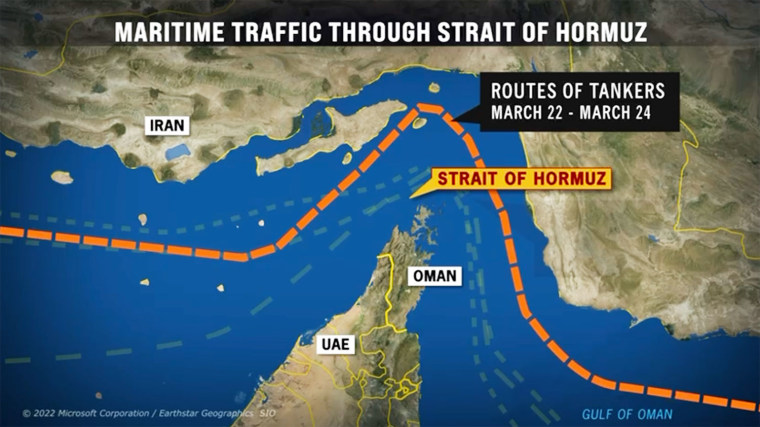
The Strait of Hormuz connects the Persian Gulf to the Gulf of Oman, making it a crucial maritime corridor.
Key Countries and Coastal Areas Around the Strait
The importance of Strait of Hormuz becomes clearer when you look at the surrounding locations:
- Iran (North Coast):
Iran controls a large portion of the northern coastline, including key military and naval bases. - Oman (South Coast):
Oman governs the southern side, particularly the Musandam Peninsula, which directly faces the strait. - Musandam Peninsula:
A strategically critical area that allows monitoring of shipping traffic. - Bandar Abbas:
Iran’s main naval and shipping hub near the strait. - Fujairah:
A key alternative oil export hub that bypasses the strait.
Why these locations matter
These surrounding areas:
- Control shipping lanes
- Host military installations
- Serve as major oil export terminals
This geographical setup is what makes the strait a global energy chokepoint.
Why the Strait of Hormuz Is Critical for Global Oil Supply
The importance of Strait of Hormuz is deeply tied to energy security.
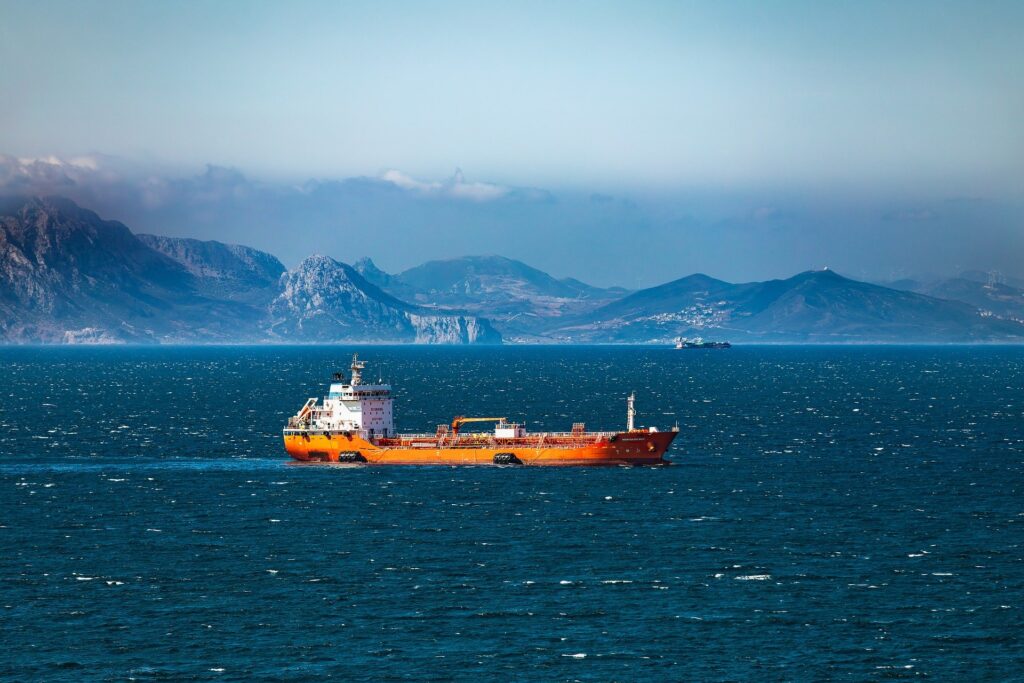
Around one-fifth of the world’s oil supply passes through this narrow route every day. Major exporters like Saudi Arabia, United Arab Emirates, and Kuwait depend on it.
Keywords naturally included:
- global oil supply route
- energy security chokepoint
- oil shipping lane importance
- global trade disruption risk
What happens during disruption?
If the strait is blocked or threatened:
- Oil prices surge globally
- Shipping costs increase
- Supply chains face delays
Featured snippet:
The Strait of Hormuz is important because it is the primary route for transporting oil from the Middle East to global markets, making it essential for energy security.
The Strait of Hormuz in the Iran War Scenario
The Strait of Hormuz in the Iran war context is one of the most discussed geopolitical risks.
Why Iran has strategic leverage
Because of its location, Iran can:
- Monitor shipping traffic
- Threaten closures or restrictions
- Influence global oil markets
Engaging keywords:
- Iran war impact on oil prices
- Middle East conflict zones
- global energy crisis risk
- strategic maritime chokepoints
Even the threat of disruption can cause:
- Immediate spikes in oil prices
- Market instability
- Increased military presence
Military Importance and Strategic Control Points
The strait is one of the most militarized waterways in the world.
Key Strategic Locations:
- Hormuz Island:
A vital observation and defense point for Iran. - Qeshm Island:
Hosts military facilities and overlooks shipping routes. - NATO presence (indirect):
Western alliances monitor and protect global shipping interests. - United States Navy fleets:
Regularly patrol the region to ensure freedom of navigation.
Why control matters
Because the strait is narrow:
- Ships must pass through specific lanes
- It is easier to monitor and control traffic
- Any conflict here has immediate global consequences
Economic Impact: Why the World Watches Closely
The importance of Strait of Hormuz extends directly to global economies.
Real-World Effects:
- Rising petrol and diesel prices
- Increased inflation
- Higher transportation costs
For countries like Pakistan:
- Oil imports become more expensive
- Currency pressure increases
- Economic stability can be affected
Keywords:
- fuel price increase global
- inflation due to oil crisis
- economic impact of war
- global supply chain disruption
Are There Alternatives to the Strait of Hormuz?
Despite its risks, replacing the strait is extremely difficult.
Existing alternatives:
- Oil pipelines through Saudi Arabia and United Arab Emirates
- Export routes via Fujairah
- Strategic oil reserves
Key limitation:
None of these options can fully replace the global oil supply route provided by the strait.
FAQs About the Strait of Hormuz
Q: Why is the Strait of Hormuz important globally?
A: It is the world’s most critical oil transit route, making it essential for global energy supply and economic stability.
Q: Which places are most important around the Strait of Hormuz?
A: Key locations include Bandar Abbas, Hormuz Island, Qeshm Island, and the Musandam Peninsula.
Q: How does the Iran war affect the Strait of Hormuz?
A: Any conflict involving Iran increases the risk of disruption, impacting oil prices and global trade.
Q: Can global trade survive without the Strait of Hormuz?
A: Not easily. Alternatives exist but cannot handle the same volume.
Q: Why is the Strait called a chokepoint?
A: Because it is a narrow passage where large volumes of global trade must pass.
Conclusion
The Strait of Hormuz is not just a geographic feature—it is a cornerstone of global energy security and international trade.
Surrounded by strategic locations like Bandar Abbas and the Musandam Peninsula, its importance goes far beyond its size.
From global oil supply routes to Iran war tensions, its influence touches nearly every part of the modern economy.
Call to Action:
Explore related topics like global energy markets, Middle East geopolitics, or oil price trends to better understand today’s interconnected world.