A World on Edge: Geopolitical Tensions in 2026 and Their Global Impact
In 2026, geopolitical tensions are shaping the future of the world more than ever before. Rising global political tensions, regional conflicts, and economic rivalries are redefining international relations in 2026. While these issues may seem distant, they have a direct impact on economies, societies, and everyday life.
Shifting Global Power Dynamics
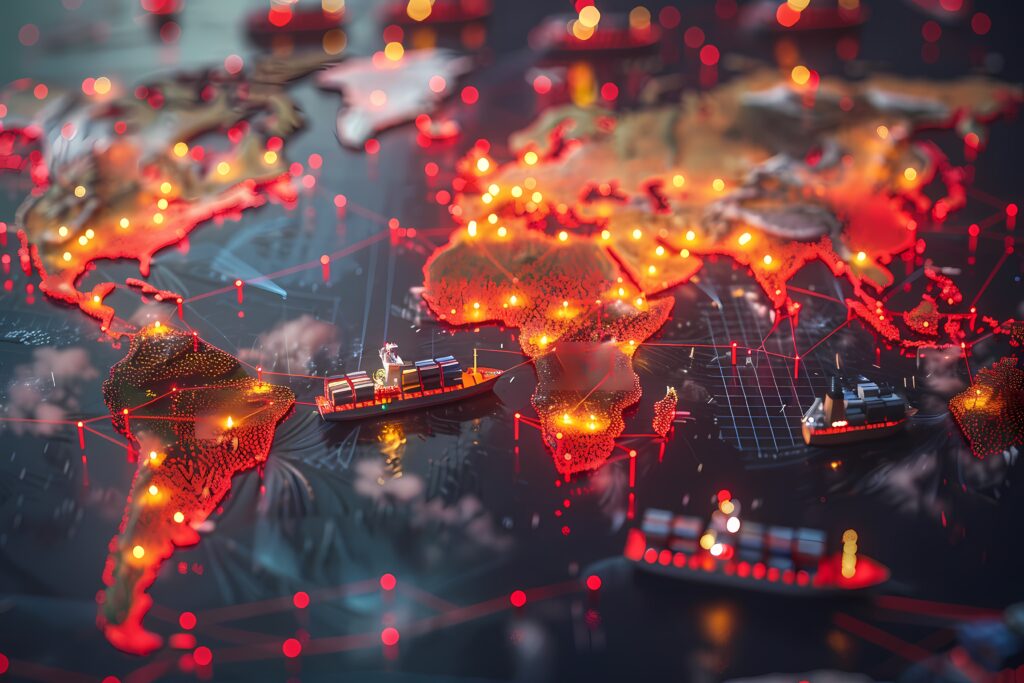
The current era is defined by increasing global power competition. Traditional leaders such as the United States are facing strong competition from emerging powers like China.
The growing US China rivalry is not limited to trade—it extends to artificial intelligence, cybersecurity, and global influence. This competition is a major factor contributing to rising global instability and shifting alliances.
Ongoing World Conflicts and Security Challenges
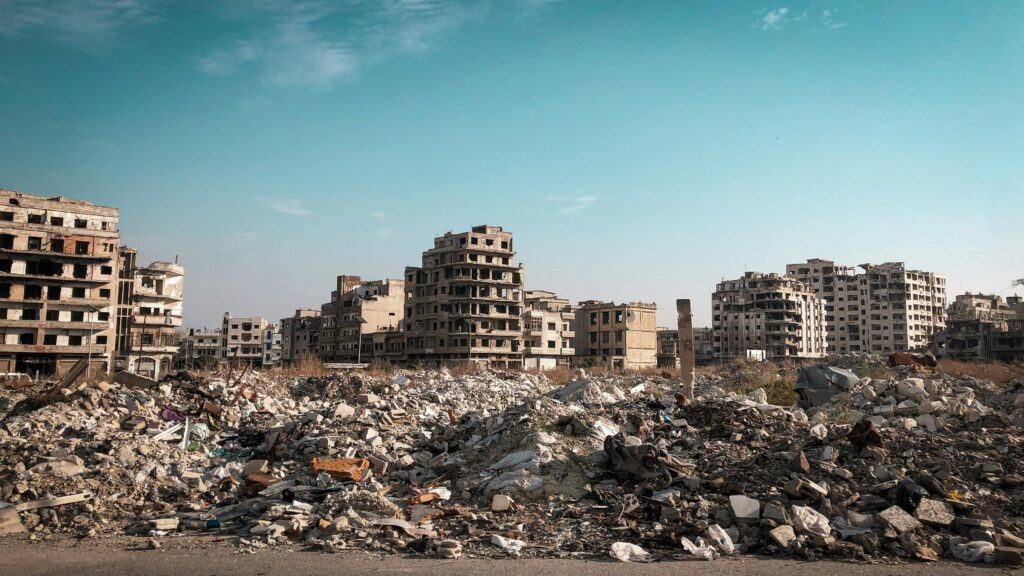
Several ongoing conflicts are intensifying world conflicts and security concerns. The war between Russia and Ukraine, known as the Russia-Ukraine War, continues to affect global markets and security dynamics.
Similarly, Middle East tensions in 2026 remain high, particularly involving Israel and Palestine.
In South Asia, India Pakistan relations remain fragile, especially regarding the Kashmir conflict analysis centered on Kashmir.
Economic Warfare Between Countries
Modern geopolitics increasingly involves economic warfare between countries. Trade restrictions, sanctions, and supply chain disruptions are now key strategic tools.
Sanctions on Russia and trade tensions between the United States and China highlight how economic decisions influence global political tensions.
These developments have led to inflation, rising energy costs, and financial uncertainty worldwide.
Cybersecurity and Global Threats
The rise of digital technology has introduced new risks, making cybersecurity and global threats a central concern. Cyberattacks, digital espionage, and misinformation campaigns are increasingly impacting governments and businesses.
These invisible conflicts are becoming a critical part of world conflicts and security, with the potential to disrupt financial systems and national infrastructure.
Strategic Alliances and Global Security
To manage rising geopolitical tensions, countries are strengthening alliances. Organizations such as NATO play a vital role in maintaining global security.
At the same time, new partnerships are forming, reflecting changes in international relations in 2026 and the need for strategic cooperation.
Impact of Global Conflicts on Everyday Life
The impact of global conflicts on everyday life is significant. Rising prices, job uncertainty, and economic challenges are directly linked to geopolitical tensions in 2026.
For countries like Pakistan, these global developments affect economic stability, trade opportunities, and currency value.
The Importance of Diplomacy in Global Stability
Despite rising global political tensions, diplomacy remains essential. Dialogue and cooperation are key to reducing risks and maintaining stability in an interconnected world.
Efforts to manage international relations in 2026 will determine whether competition leads to conflict or collaboration.
Conclusion
The rise of geopolitical tensions in 2026 reflects a world undergoing rapid change. From global power competition to economic warfare between countries, these developments are shaping the future of global stability.
Understanding these issues is essential for navigating an increasingly complex world and preparing for the challenges ahead.